
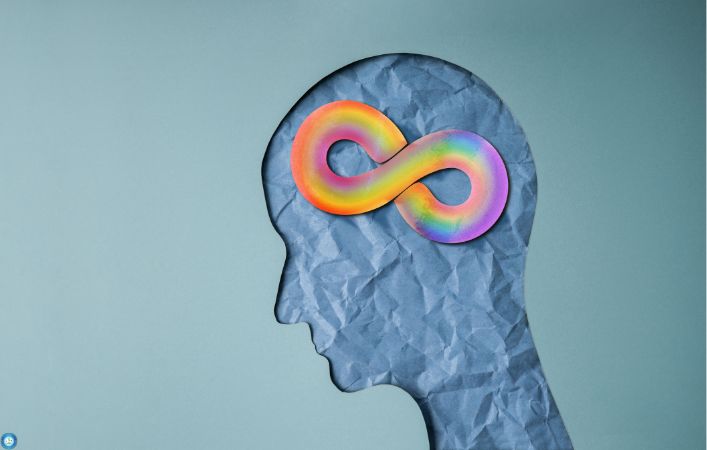
Cannabinoids and Autism: What We’re Learning
Interest in CBD and THC as tools for supporting people with autism is growing. Many families explore these options because current medications often focus only on irritability, anxiety, or sleep and can come with difficult side effects. Cannabinoids won’t replace traditional therapies, but early research suggests they may offer meaningful support for some individuals.
Why Cannabinoids Are Being Considered
The body’s endocannabinoid system (ECS) helps regulate stress, mood, sleep, and social behavior. Research suggests the ECS may function differently in people with autism. Because CBD and THC interact with this system, scientists are studying whether they can help ease certain symptoms.
CBD is non-intoxicating and the most researched.
THC is psychoactive and used more cautiously, especially in children.
What the Research Shows
Most of the current evidence comes from observational studies, caregiver surveys and early clinical trials. Even with these limitations, several patterns are emerging:
CBD may help with:
• irritability and agitation
• anxiety
• sleep
• attention and social engagement
Some trials note improvements in communication or behavior, especially when CBD includes small, controlled amounts of THC.
THC, though far less studied, has shown value in clinical practice for more severe symptoms like:
• explosive outbursts
• repetitive/OCD-like behaviors
• self-injury
These cases require careful dosing and medical oversight.
Real-World Outcomes
Across studies and caregiver reports, many families describe:
• more calm and fewer meltdowns
• improved sleep
• better focus
• small gains in social connection
Side effects, typically fatigue, irritability or stomach upset, are usually mild and temporary. Because long-term safety data is still limited, slow dosing and close monitoring are important.
Where Science Still Needs to Grow
Cannabinoid research in autism is promising but early. Many studies are small, open-label, or rely heavily on caregiver reports. Dosing varies widely, and long-term safety has not been fully established. Because of this, most medical organizations do not yet offer formal treatment guidelines.
A Balanced Path Forward
Cannabinoids may be worth considering when traditional therapies aren’t enough or when medication side effects become difficult. The safest approach includes:
• starting with low doses
• monitoring behavior week to week
• reviewing all other medications for interactions
• choosing products with verified lab testing
• involving clinicians who understand autism and cannabinoid science
Bottom Line
Cannabinoids are not a cure for autism, but they may offer relief for certain symptoms, especially irritability, anxiety, and sleep issues. Early science is encouraging, many families report improvements, and ongoing research will help clarify best practices. Herbal IQ will continue translating the evidence into clear, practical education for families and professionals.
References
1. https://pmc.ncbi.nlm.nih.gov/articles/PMC9887656/
2. https://pmc.ncbi.nlm.nih.gov/articles/PMC8675523/
3. https://pmc.ncbi.nlm.nih.gov/articles/PMC9418362/
4. https://autismsciencefoundation.org/use-of-medical-marijuana/
5. https://www.cmcr.ucsd.edu
6. https://www.nature.com/articles/s41598-018-37570-y
7. https://www.sciencedirect.com/article/abs/pii/S0074774224000709
8. https://pubmed.ncbi.nlm.nih.gov/40410546/
9. https://www.europsy.net/app/uploads/2025/04/Cannabidiol-Therapy-Could-Reduce-Symptoms-in-Autistic-Children-and-Teenagers.pdf
10. https://www.nature.com/articles/s41398-022-02104-8
11. https://pubmed.ncbi.nlm.nih.gov/36176817/
12. https://asatonline.org
13. https://uoflhealth.org/articles/can-cbd-or-thc-help-autism
14. https://mn.gov/ocm/assets/autismbrief2_tcm1202-628456.pdf
15. https://www.cureus.com/articles/347254
16. https://www.cannabisevidence.org
17. https://www.sciencedirect.com/article/pii/S0091305723000941
